At-Home Detox: a medical approach, safe habits, and when to consult a specialist
Learn whether drinking water is enough to detox the body, why weakness can happen during detox, and how long recovery really takes. Discover hydration tips, nutrition advice, and safe ways to suppo…

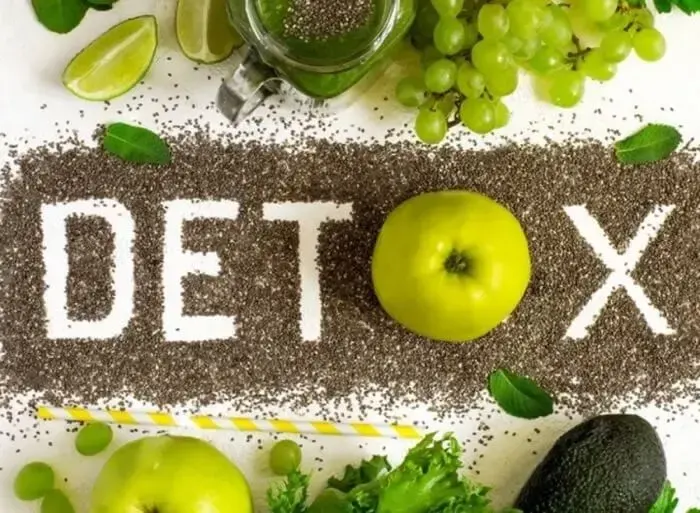
Below are safe ways to structure detox at home, what to avoid, and when professional support may be needed.
Note: This article is for education and does not replace medical advice.
1. Lifestyle detox: better sleep, balanced nutrition, hydration, stress reduction, gentle activity.
2. Recovery with medical logic: persistent fatigue, possible dehydration signs, appetite changes, or suspected deficiencies should be assessed first. Then a personalized plan can be chosen.
6 safe pillars of at-home detox1. Hydration balance (not “as much as possible”): sip throughout the day, limit sugary drinks, be cautious if you have kidney/heart issues.
2. Balanced nutrition without extremes: vegetables, adequate protein, complex carbs, healthy fats.
3. Sleep as the main recovery protocol: 7–9 hours, consistent schedule.
4. Gentle activity: walking, stretching, breathing.
5. Stress management: reduce overload, add rest, simple breathing techniques.
6. Avoid aggressive “quick detox” methods: if you feel worse, it may be stress on your system, not “toxins leaving.”
When to consult a professional- fainting, severe dizziness
- vomiting/diarrhea lasting over 24 hours
- high fever, infection signs
- chest pain, shortness of breath
- swelling, reduced urination
- major blood pressure swings
- allergic reactions
Extra caution:
- pregnancy/breastfeeding
- heart/kidney disease
- diabetes
- thyroid issues
- chronic conditions
- regular medications
- allergy tendency
symptom assessment, risk screening, monitoring, and choosing a safe plan. With Onlayn Hamshira, that mindset helps keep support appropriate and safe.
Frequently Asked Questions About Detox, Hydration, and Recovery
Is drinking water enough to detox the body?Drinking water is important, but it is not enough on its own to detox the body. The human body already has a natural detoxification system that includes the liver, kidneys, lungs, digestive system, and skin. These organs work together to remove toxins and waste products.
Water helps this process by:
- Supporting kidney function
- Helping flush waste through urine
- Maintaining healthy digestion
- Preventing dehydration
However, detoxification also depends on several other factors:
Sleep quality
During sleep, the body repairs tissues, balances hormones, and supports metabolic processes. Poor sleep can slow down recovery and make detox symptoms worse.
Nutrition
Your body requires vitamins, minerals, antioxidants, and fiber to properly process and eliminate toxins. Whole foods such as fruits, vegetables, whole grains, and lean proteins support this system.
Stress levels
Chronic stress can increase inflammation and disrupt hormones, which can slow down the body’s natural recovery mechanisms.
Physical activity
Movement improves circulation and lymphatic flow, helping the body remove metabolic waste.
So while water is essential, true detox support requires balanced hydration, nutrition, sleep, and lifestyle habits.
Can you detox your body in 1–2 days?
Many marketing claims suggest you can detox your body in 24 or 48 hours, but this is largely a myth. The body’s detoxification systems work continuously and cannot be “reset” instantly.
Short detox plans may help you:
- Reduce processed food intake
- Increase hydration
- Eat more nutrient-dense foods
However, the body typically needs days or weeks to fully recover from unhealthy habits, depending on factors such as:
- Diet history
- Alcohol consumption
- Stress levels
- Sleep patterns
- Physical activity
- Overall health
Extreme detox methods such as juice-only diets, fasting for long periods, or aggressive supplements may actually backfire by causing:
- Nutrient deficiencies
- Blood sugar instability
- Fatigue and weakness
- Slower metabolism
A healthier approach is gradual lifestyle improvement, including balanced meals, hydration, and consistent sleep.
Why do some people feel weak during detox?
Feeling weak during a detox phase is relatively common and can occur for several reasons.
Reduced calorie intake
Some detox programs significantly reduce calories. When the body receives less energy than usual, fatigue and weakness can occur.
Electrolyte imbalance
If detox diets rely mostly on water or juices, important electrolytes such as sodium, potassium, and magnesium may drop.
Blood sugar fluctuations
Low carbohydrate intake can lead to unstable blood sugar levels, causing dizziness or weakness.
Caffeine withdrawal
People who stop drinking coffee or energy drinks during detox may experience headaches, fatigue, or irritability.
Increased toxin processing
As the liver and kidneys process metabolic waste, some individuals may temporarily feel tired or sluggish.
If weakness becomes severe, persistent, or accompanied by symptoms such as fainting or severe dizziness, professional medical advice should be sought.
If you’ve been feeling persistently tired or want a safer, medically-informed detox approach, Onlayn Hamshira can help you consult with qualified professionals across Uzbekistan and choose an appropriate support format. You can leave a request via the mobile app.